Finance-Books.com

Beginner Investors · 9 books

The Best Investing Books for Beginners

Nine books that teach you to invest like Vanguard founder Jack Bogle — low-cost, low-stress, and built to compound for 40 years.

The Little Book of Common Sense Investing book cover
#1 · Editor's Pick

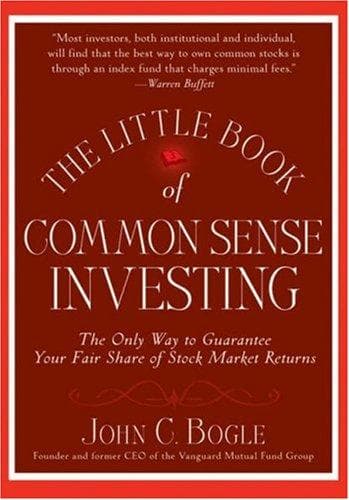
The Little Book of Common Sense Investing

by John C. Bogle · 2017

4.7(18,654)

John Bogle invented the index fund. This book is his manifesto for why ordinary investors should own them and almost nothing else. The argument is overwhelming and well-documented: actively managed funds underperform the market on average, fees compound to devastating effect over decades, and the math of low-cost index investing virtually guarantees you'll beat 80%+ of professional money managers over a lifetime. Bogle's prose is direct and occasionally curmudgeonly — he hated Wall Street's marketing machine — and the book is short (about 300 pages) for the size of its claim. If you read only one investing book in your life, this is the one. Buffett has said as much publicly.
The Simple Path to Wealth book cover
#2 · Editor's Pick

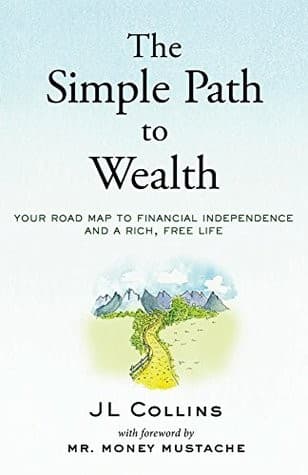
The Simple Path to Wealth

by JL Collins · 2016

4.7(27,318)

JL Collins wrote a series of letters to his daughter explaining investing, and they accidentally became the most-loved investing book of the 2010s. The thesis is Bogle's, but the voice is fatherly and warm where Bogle is professorial. Collins's specific recommendation — VTSAX (Vanguard's total stock market index) plus a bond fund as you near retirement — has become almost a meme in the FIRE community. It's simple, defensible, and historically optimal for the average investor. Where this book outperforms Bogle's: emotional preparation. Collins spends real chapters on what to do when (not if) the market drops 40%, which is the single most important investing skill nobody teaches you.

The Psychology of Money book cover
#3 · Editor's Pick

The Psychology of Money

by Morgan Housel · 2020

4.7(71,527)

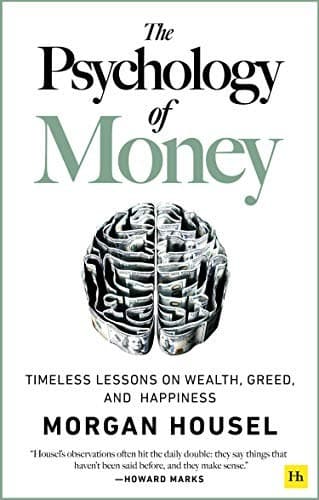
Housel's thesis: doing well with money has surprisingly little to do with how smart you are and almost everything to do with how you behave. He makes this case through 19 short, story-driven chapters that read more like personal essays than a finance book. There's no portfolio construction here, no spreadsheets, no five-step plan. Instead you get the most important insights in finance distilled into ideas you'll actually remember — and a vocabulary for thinking about money that holds up under stress. If you only read one book on this list, this is the one to start with. It's also the one you'll loan to friends.

The Intelligent Investor book cover
#4 · Editor's Pick

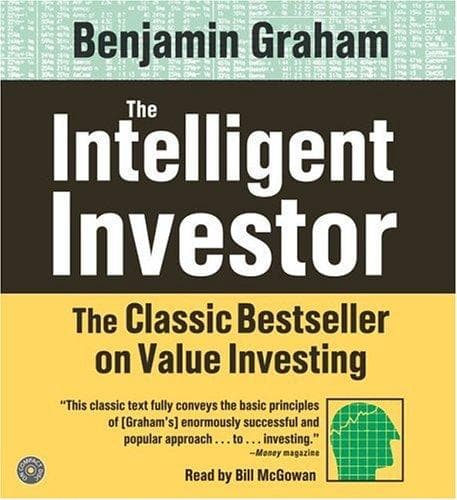
The Intelligent Investor

by Benjamin Graham · 2003

4.6(21,477)

Benjamin Graham was Warren Buffett's professor at Columbia and the founder of value investing. This book — first published in 1949, last revised by Graham in 1973, then updated with modern commentary by Jason Zweig — is regularly called "the best book on investing ever written." That praise comes mostly from Buffett, and his bias is real. Graham's central concept (Mr. Market — a manic-depressive business partner who offers you wildly fluctuating prices every day) is one of the great mental models in finance. The book is also long, dense, and not really for beginners — there's serious math, dated examples, and chapters on accounting that read like accounting. Read it for the mental models, supplement with Bogle for the actual strategy.

The Bogleheads' Guide to Investing book cover
#5 · Editor's Pick

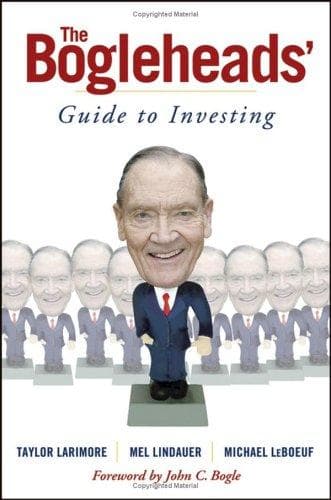
The Bogleheads' Guide to Investing

by Taylor Larimore, Mel Lindauer & Michael LeBoeuf · 2014

4.7(13,209)

Written by three veterans of the Bogleheads forum (the legendary online community Vanguard investors built around John Bogle's principles), this is the most comprehensive practitioner's guide to index investing in print. Where Bogle's own book is short and philosophical and Collins's book is letter-like, the Bogleheads' Guide is a 350-page reference manual: chapters on asset allocation, tax-loss harvesting, rebalancing, withdrawal strategy, estate planning, behavioral pitfalls. It's not a beach read. It is the book to own once you're a few years into investing and want to refine your approach. The 2nd edition (2014) is the most current — a 3rd edition is rumored but not confirmed.

A Random Walk Down Wall Street book cover
#6 · Editor's Pick

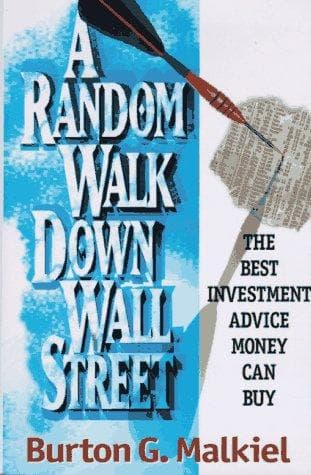
A Random Walk Down Wall Street

by Burton G. Malkiel · 2019

4.5(11,538)

Burton Malkiel is a Princeton economist who has been making the case for index investing in this book since 1973 — predating Bogle's actual launch of the first index fund. Now in its 13th edition (2019), the book is the academic counterpoint to the practitioner-focused Bogleheads literature. Malkiel walks through every major investing approach (technical analysis, fundamental analysis, modern portfolio theory) and explains, with research citations, why none of them reliably beat the market after fees. Where Bogle preaches index funds, Malkiel proves them. It's longer and more academic than Bogle but more thorough, and Malkiel's writing is unexpectedly funny in places.

The Millionaire Next Door book cover
#7 · Editor's Pick

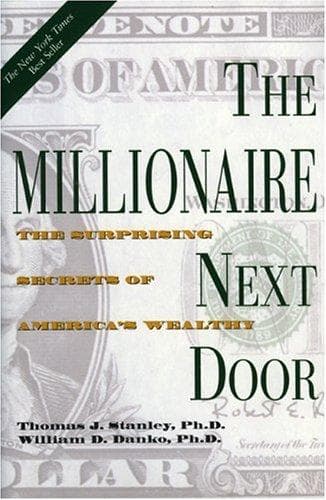
The Millionaire Next Door

by Thomas J. Stanley & William D. Danko · 1996

4.7(34,345)

Stanley and Danko spent 20 years studying American millionaires and made a finding that's now famous: the typical millionaire doesn't look like a millionaire. They drive 6-year-old Toyotas, live in starter homes in modest neighborhoods, and got rich through unsexy decades of saving and small-business ownership rather than high salaries or windfalls. The book is data-dense — survey results, demographic breakdowns, lifestyle profiles — and reads more like a sociology study than a how-to. The thesis has aged extremely well: 30 years later, the "PAW" (Prodigious Accumulator of Wealth) vs. "UAW" (Under Accumulator of Wealth) framework still predicts long-term financial outcomes better than income alone.

Rich Dad Poor Dad book cover
#8 · Editor's Pick

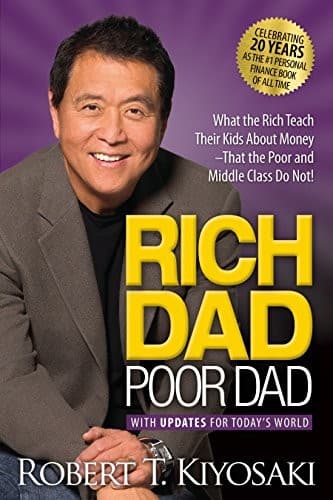
Rich Dad Poor Dad

by Robert T. Kiyosaki · 1997

4.7(42,815)

Kiyosaki's 1997 book is one of the best-selling personal-finance books of all time, and also the most controversial. The famous frame: Kiyosaki's biological father ("poor dad," a teacher) and his friend's father ("rich dad," a businessman) gave him opposing money advice as a kid; rich dad's won. The core distinction — assets put money in your pocket, liabilities take money out — is genuinely useful and the reason this book has changed millions of people's relationship with money. The honest problems: most of the specific advice (especially on real estate, taxes, and "good debt") is poorly explained, weakly sourced, or actively misleading. Kiyosaki has since pivoted to selling expensive seminars and gold bugs talk. Read it for the mental model, ignore the prescriptions.

The Richest Man in Babylon book cover
#9 · Editor's Pick

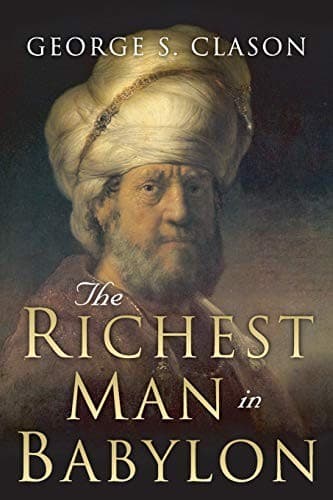
The Richest Man in Babylon

by George S. Clason · 1926

4.7(22,259)

Originally published in 1926 as a series of pamphlets distributed by banks and insurance companies, this is the oldest book on this list and the one with the strangest format: it's written as a set of parables set in ancient Babylon, complete with characters named Arkad and Bansir saying things like "Behold, my friend, I shall counsel thee." Get past the cringey faux-archaic prose and the actual financial advice is solid: pay yourself first, control your expenses, invest in things you understand, and protect your principal. Almost every modern personal-finance book is a remix of these seven principles. It's short (under 150 pages) and good gift-book material.